At PRINTING United Expo 2025, Apparelist and PRINTING United Alliance shared results from the Summer 2025 State of the Decorated Apparel (SODA) Industry survey.
Survey size and takeaways
With just 73 respondents, it’s too small to be a representative sample but as a snapshot it still contains some interesting takeaways.
I suspect this data leans toward the innovators. The people who respond to industry surveys, download reports, and sit in sessions at PRINTING United are usually the owners and managers who are leaning into change. If my assumption is true, this survey isn’t just describing the present; it’s giving us an early look at where the industry is heading and I think that is significant.
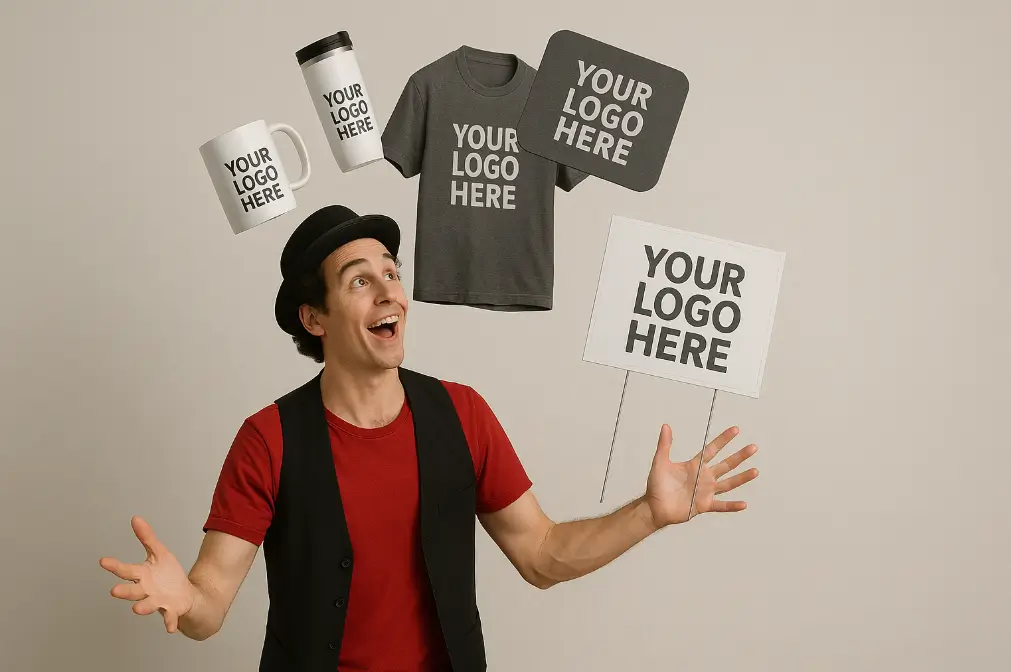
To me the big signal is diversification. Nearly two-thirds of respondents say they’ve moved beyond core apparel decoration, most commonly into promotional products, signage, and graphics. Many are also adding new print methods – on average running multiple decoration technologies in-house while outsourcing others. That’s a classic recipe for complexity.
Have we seen this trend before?
This looks like the path we saw walked by paper products when the Photobook explosion from 2006 morphed into a ‘photo on everything’ category. Product ranges exploded as did product options and product workflows.
Diversification = increasing complexity
For Deco, Merchandise and Signage this pathway means that business models are getting more complex, workflows are fragmenting, and SKU lists are exploding. A single customer might now order apparel, promo, and signage in one job, each with different substrates, pick first or print first workflow, finishing paths, and shipping rules. Those orders still need to be combined, batched, and pushed through production with simplicity and strict cost control to time.
So how do you execute on that? How do you keep costs under control and productivity at peak performance when work is fragmenting and the rule base you use to run the business is exploding in size?
What’s the pathway?
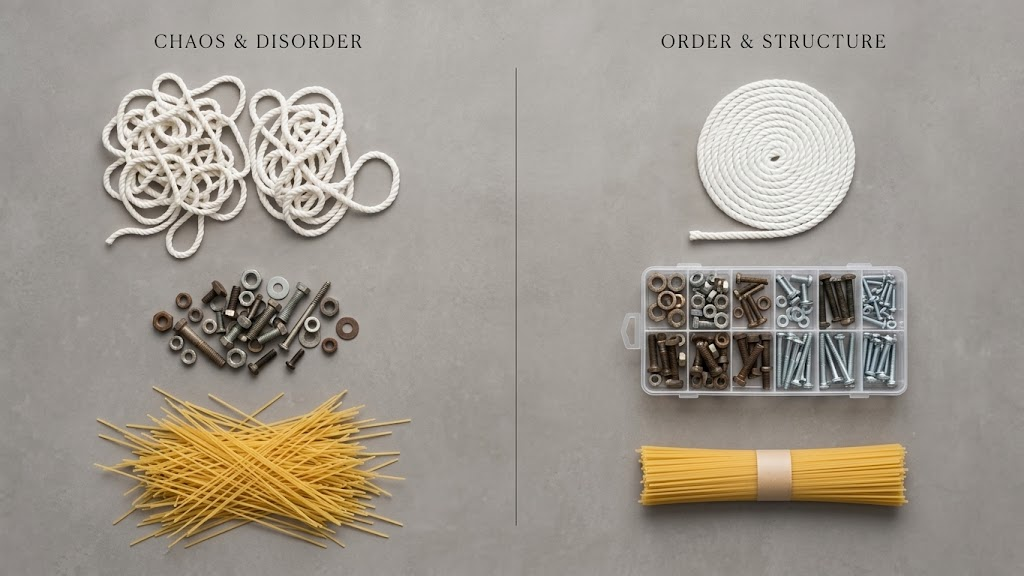
In my view, the key is to embed those rules into your organisational DNA. That means taking the expertise currently held in people’s heads, tribal workarounds, and ad-hoc spreadsheets and converting it into logic the system runs every single time. Just, scan, and execute.
Done well, automation becomes the way you turn complexity into simplicity. It lets you: • Embed your rules and production expertise into software that just runs.
- Manage all that complexity and convert it into perfectly queued, batched, and printed work – with zero touch to the press.
- Control and monitor work downstream of the press, all the way through finishing, packing, and shipping.
- Generate powerful insight so you can keep getting better, cycle after cycle.
If you’re feeling the pressure of diversification, fragmented workflows, and rising POD volume – and you want to see what this looks like in practice – reach out. This is solvable, and automation is the lever.
PS: One other thought, the other key trend I watched as digital photo went down this path was a wave of consolidation. The innovators got big and quickly.