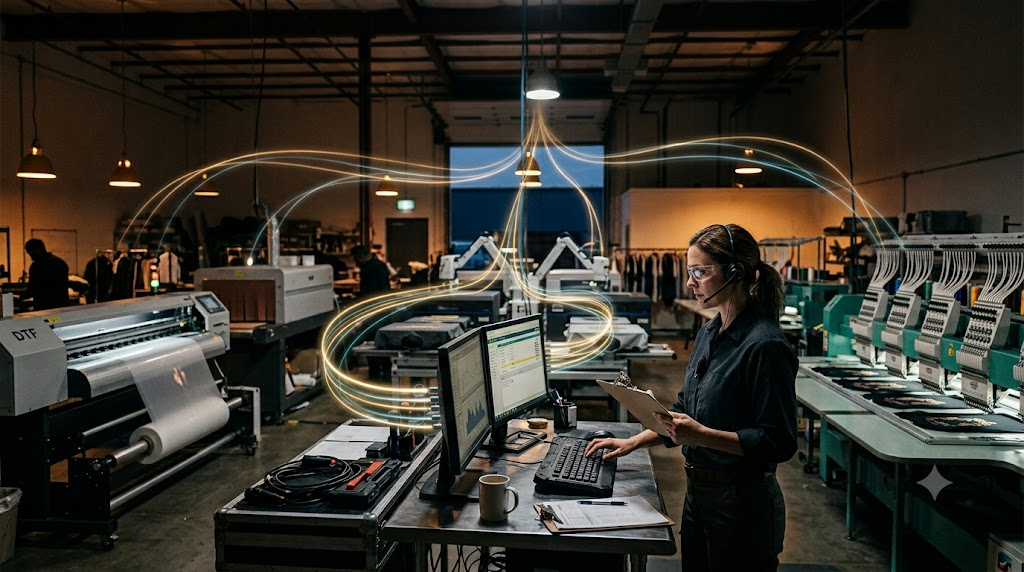
I was reading the latest FESPA Print Census published in May-26, and the key finding that struck me was that “Nearly half of PSPs report no automation in place, despite growing pressure from labour shortages and demand for faster, digital workflows.”
Watching textiles go through this is a Back to the Future moment. Digital Print went through this journey through the 2010s, and there are lessons in there that are still relevant.
When the HP Indigo changed everything from 2006, the scramble started. Initially our product ranges were tight and contained, limited as much by materials availability and production techniques as by the newness of the category.
But markets have a way of demanding difference. In photobooks – four cover colors in one paper type with 4 sizes and embossing in 1 font became 34 cover types plus photocovers with 2 different laminate types with 5 different paper types in 2 different print qualities in 24 orientation/sizes plus different SLAs with different ship levels and accessorization. 16 manufacturing combinations became > 260,000. And that was only photobooks. The range also exploded to include display, merchandise, giftware and apparel.
But we learned to handle that situation and orchestrate manufacturing such that this became just another day (with its normal daily combination of hardware outages, logistical and staffing issues to add variety).
What I see in textiles is a version of what happened in digital print.
And one of the key behaviours is owners seeing the hardware as the solution – a case of buy the right kit and any manufacturing problem goes away. Basically Capex your way out of any problem.
But the production problem stopped being about speed at a single production stage a long while ago.
In textiles just like what happened in digital print, the nature of work is transforming. Over a short period of time the number of short runs has soared. SKU count and product variation (think multi-deco) has jumped, and so have the print options (DTF, DTG, Dye-Sub, Screen and Embroidery – and perhaps DTO as well if you are doing Merch). Delivery expectations, meanwhile, have only gotten tighter.
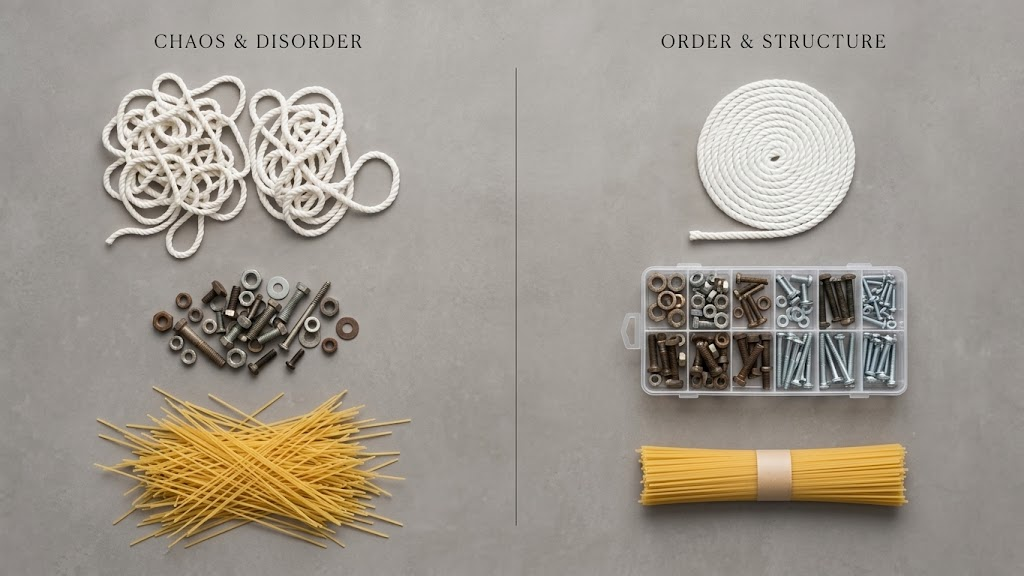
The real limitation now is workflow dependency – manual approvals, complex gangs, multiple SLA deadlines to manage, disconnected systems, an operator having to intervene between every stage, black holes where nobody quite knows what’s happening to a job.
And unfortunately those dependencies don’t stay flat. They compound as complexity goes up.
I see a divide opening up – between those with connected versus fragmented ones.
The businesses investing in workflow infrastructure are building something their competitors simply can’t match – both operational stability and operational agility at the same time. The alternative is leaning harder on labour and manual coordination (right at the moment both are getting harder to sustain).
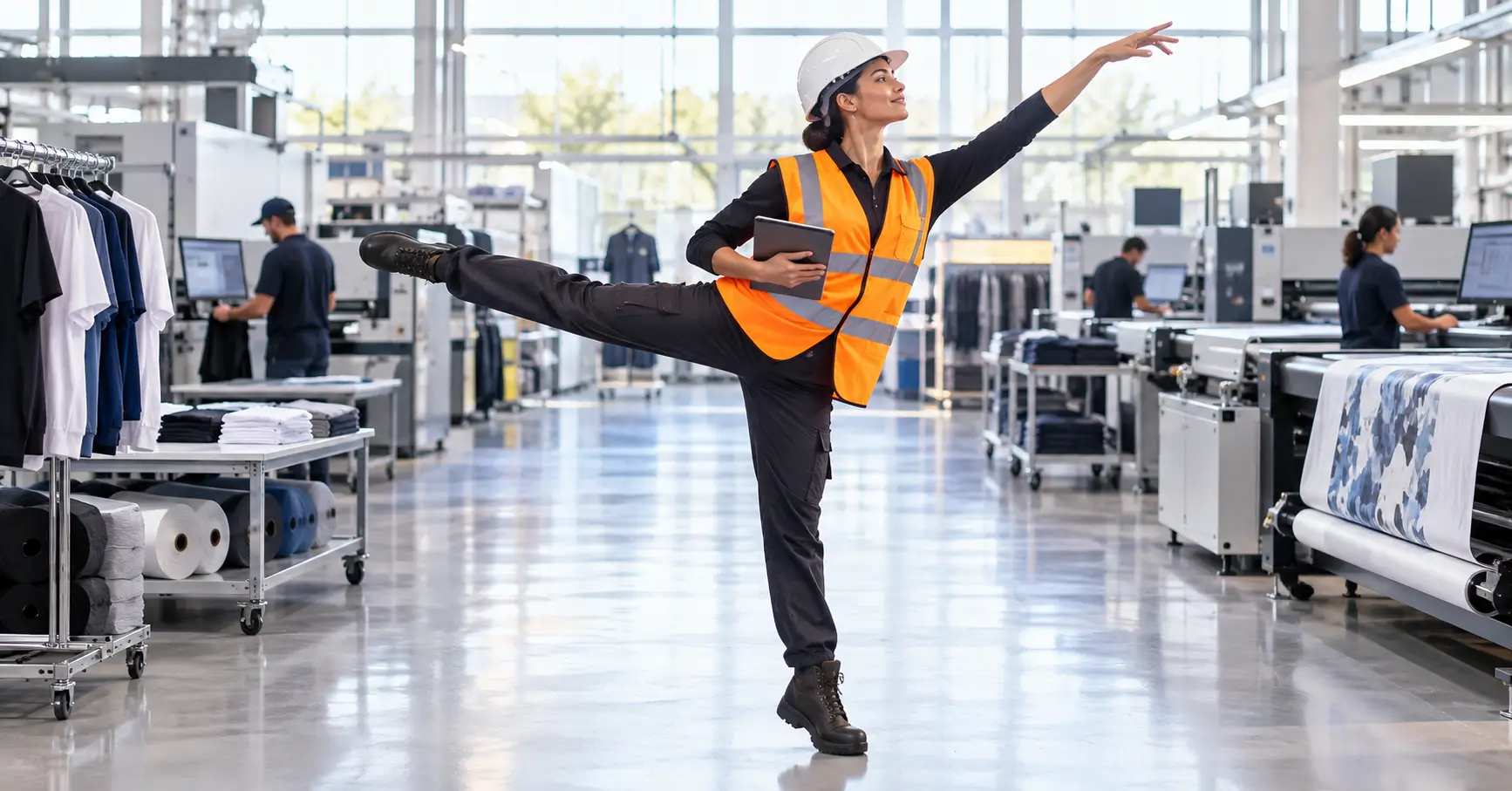
What is being created is a competitive disadvantage for those firms not meshing production. They simply don’t have the operational capability to perform the way their competition can, no matter how hard the team works – literally the business can’t handle the product-manufacturing combinations that are thrown at them. Which means less product options, service capability and ability to dance across manufacturing methods.
The fix isn’t another point solution bolted onto the side of production. It’s moving from isolated automation tools to connected workflow infrastructure – the kind that delivers workflow continuity, operational resilience, and genuine production orchestration, not just a faster version of one task.
Automating a single task improves local efficiency. Connected workflow infrastructure changes how the whole operation behaves – jobs flow to optimized patterns at least cost, data synchronises continuously, and production decisions become data-driven instead of guesses.
The competitive advantage in textiles won’t come from equipment speed alone. It’ll come from operational structure – Production Managers and Supervisors working inside a system that absorbs complexity for them, rather than one that hands them another manual decision at every job stage.