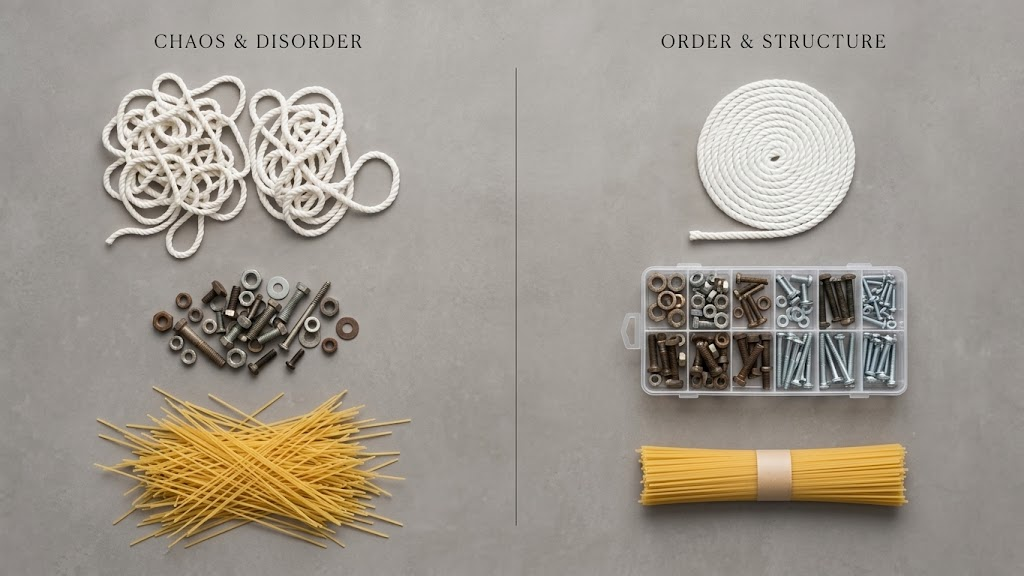
We’ve talked before in this blog about how an ideal print-on-demand facility should resemble a long-run manufacturing environment. Orders come in, orders go out – whether you’re shipping one million units to one client or one unit each to a million clients, the conveyor-style flow of production should be the same. That philosophy still holds. But it’s just as important to know when to break the conveyor – and that’s where VIP workflows come in.
Automating VIP orders
There are lots of valid reasons to flag an order as VIP. It might be a new product you’re testing, and you want every order in that workflow treated with extra scrutiny. It might be a high-value customer whose work needs to be prioritised. Or a regular product that’s been requested with a unique configuration or flourish that calls for special handling. Sometimes it’s as simple as a customer selecting “express treatment” at checkout – and sometimes it’s even more basic than that: a job that failed twice in production and needs to be escalated just to avoid missing SLA.
The point is, VIPs aren’t a fixed concept. They’re a flexible tool for production managers. And how you define and then ultimately use that flag – the way you actually implement VIP handling throughout your workflow – is what makes the difference.
Effective VIP order control
A good system allows VIP workflow to happen from start to finish. That could mean queueing VIP orders separately to avoid them being lumped into batches with standard jobs. Or it could mean letting them batch together, but prioritising their placement so they sit at the top of a job stack, get imposed first, or are routed to a press with better quality control. You might want VIP jobs to print on a different machine altogether – or with different colour settings or media handling logic. These decisions should be automatic and rule-driven, not ad-hoc.
Further down the line, VIP treatment can take the form of different job tickets, highlighting them clearly at QC or dispatch. You might upgrade their shipping method, adjust your tracking process, or route them to a dedicated fulfilment partner. You might even want to track performance for VIPs separately so you can prove – quantitatively – that they receive better service. That’s something you can then sell, too. If your SLA for regular orders is two days and your SLA for VIPs is one, and you’ve got a clean record showing that’s what you’ve been delivering, that’s a powerful upsell lever for B2B2C clients.
Meshing VIP orders with other work
But here’s the warning: VIP treatment only works when it doesn’t derail everything else. The whole point is to give certain orders a better experience – not to degrade the standard experience for everyone else. A VIP shouldn’t cause a jam in production. It shouldn’t break batching rules so hard that you end up running half-empty sheets. It shouldn’t sit on top of the queue for three days while other urgent jobs get ignored.
Good production managers know how to hold both ideas at once. You protect the conveyor. You keep the system flowing. But you also step outside it – intentionally, tactically – when the right order justifies it.
VIP philosophy is designed to give you the ability to flex, not disrupt the day-to-day. To provide standout service for the orders that matter most, without compromising the rest of your business. And if done right, they become not just a support strategy – but a sales one too.