I was in a conversation earlier this week with a potential customer – a well-run, successful print-on-demand operation – and agility in manufacturing kept coming up as a central requirement for them. It wasn’t just a nice-to-have. It was a core aspiration.
It’s one of my favourite conversations to have, because it goes right to the heart of some design decisions we made very early in building our platform.
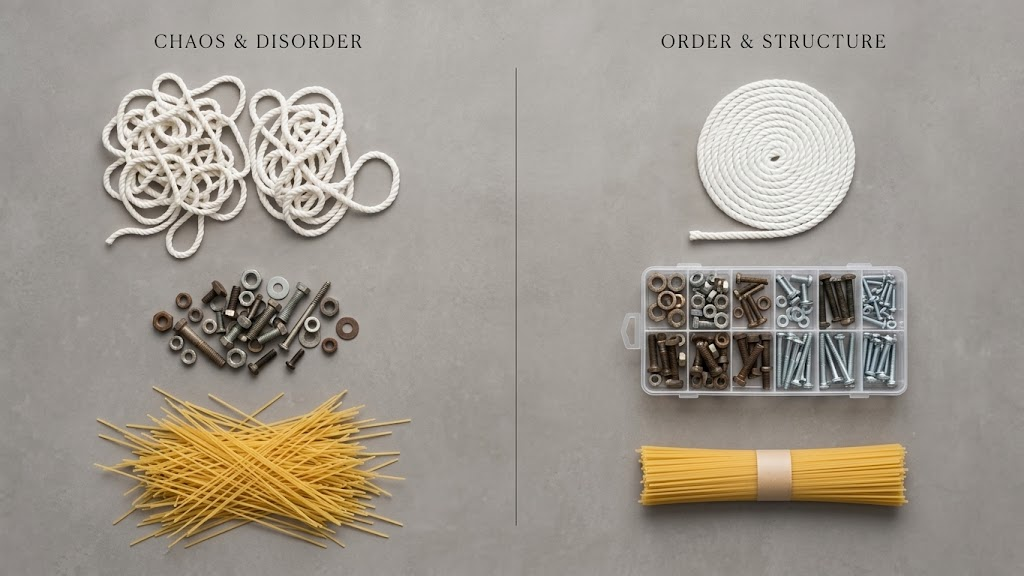
The problem with most automation solutions – both in-house-built ones and many commercial ones alike. They define a product, and how you make that product, as a single concept.
On paper, that looks like clean, predictable production. In practice, it’s plain wrong.
Production life is complicated
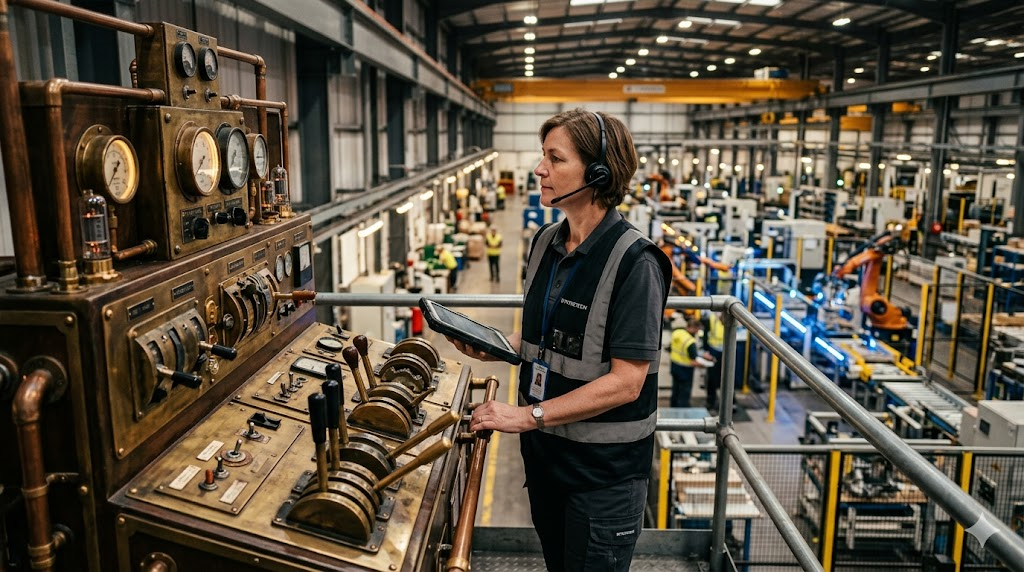
Production life is complex. Machines break down. Substrates don’t arrive. A team member doesn’t turn up. A massive order lands unexpectedly and swamps one of your presses. These are not unusual events. They are the everyday reality of running a POD floor. So, if that’s the case – then why isn’t flexibility built into how you make a product?
It’s important because the outcome of not having flexibility is almost always more cost:
- overtime or outsourcing if it’s a volume problem
- emergency callouts if it’s a machine failure
- handling the SLA damage in account management – credits, discounts, apologies
- flying stock in or placing a small order with an alternate supplier if it’s a stock outage
We see it differently. You may have an optimized manufacturing method – one that gives you the best margin outcome and yield. But ideal doesn’t always survive contact with the day to day reality of the production floor.
What’s your Plan B when things go wrong?
Running a really efficient POD operation, one that hits SLA consistently and keeps customers long-term, requires a fundamentally different approach.
Instead of fixed workflow definitions baked in from the moment an order is received, the agile approach gives you a default manufacturing method – and the ability to redirect work down a different press and finishing combination the moment your operational situation needs it.
In paper products, that might mean losing your inline cutter on a web-fed press and falling back to B2 cut-sheet with guillotine finishing. In apparel, losing your 60″ DTF press and rerouting to a 42″ – or even swapping to DTG if that’s viable for the job. Unit cost might tick up slightly. Speed might drop a touch. But you keep the goods moving, you prevent a bottleneck from compounding, and you protect the customer relationship. All of that with a single mouse click.
But there’s a second layer of agility that’s equally important: triage. Even with fallback production methods in place, a lost press will stress your backup capacity.
A well-implemented automation solution lets you pick and choose – by customer, by order, by product metadata – prioritising against SLA, profitability, geography, or almost any criteria that matters to your business in that moment.
When you put those two things together, agility in manufacturing becomes a genuine competitive weapon. It enables flexible decision-making. It keeps work flowing smoothly, which keeps cost down. It extracts better yield from the machines you have – which can legitimately defer new capital purchases. It keeps customers satisfied because SLA integrity holds even on bad days. It maximises firm profitability. And perhaps underrated: it keeps the production floor stress levels manageable, which matters more than most operators acknowledge.
Done well, manufacturing agility doesn’t just make you more resilient. It transforms how your operation performs.
The key question
Ask yourself this: if you lost a key piece of production kit tomorrow, what would actually happen? Could you solve the problem inside 1 minute?
If you’d like to talk through how manufacturing agility applies to your specific operation, reach out. We’ve done a lot of work in this space and I’m happy to share what we’ve learned.