Print-on-demand was supposed to make things easier. No more guessing what will sell. No need to hold dead stock. No risk in trying something new.
But that flexibility has created a different kind of weight.
Every decorator now has access to the same screen, DTG, DTF, and dye-sub gear. Finishing options? Largely the same. Artwork styles? Mostly drawn from the same trend pool. So from where does differentiation actually come?
Most firms are trying to compete along one of three dimensions:
- Price, volume and speed
- Choice, options, variety
- Scarcity, quality, uniqueness (including eco)
Whichever path you pick, similar patterns repeat. More placements, more embellishments, more range. Yesterday’s simple tee morphs into a multi-step process: front, back, sleeves, labels, inserts, patches, embroidery, over-printing, accessories and more. Creative, absolutely – but complexity bites.
More equipment is added and headcount grows – yet batch size falls, even as volume rises. Work becomes more stop-and-start and errors mount. Costs creep, margins thin and the jobs get harder.
And, of course, customers still want “fast and flawless” because someone – somewhere – promises it, even while bleeding cash.
So how will you tame complexity before it turns your advantage into a cost center?
How Better Firms Are Keeping Up
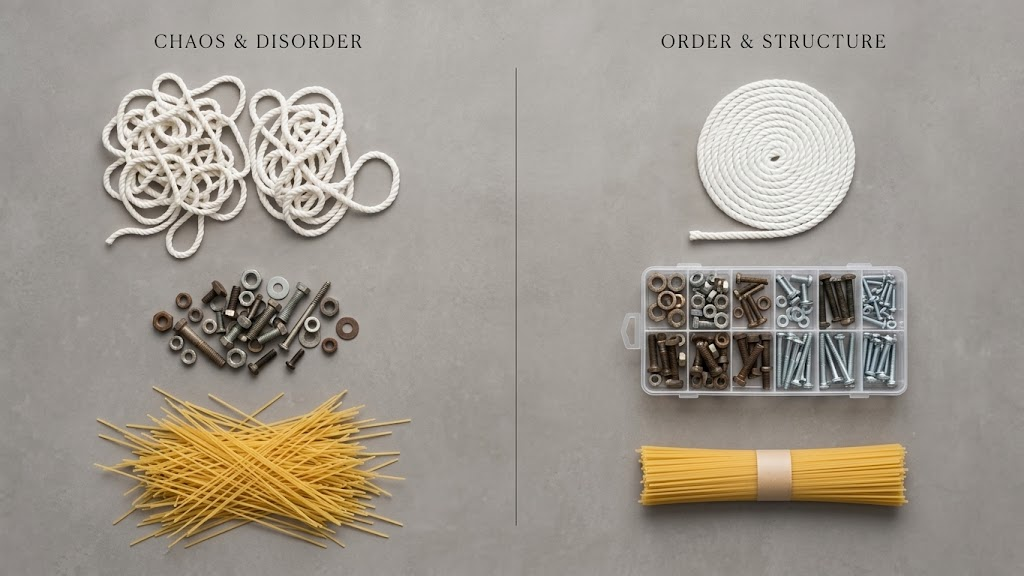
The best shops – especially at scale – are building for control, not chaos. They’re not trying to change the market. They’re trying to meet it. And they’re doing that by designing operations that scale with complexity, not buckle under it.
It starts with standardization. Orders may come from Shopify, Etsy, wholesale portals, or internal sales teams – but once they hit production, they follow the same rules. That means clean data, consistent expectations, and reduced risk. No one is decoding a new format every time.
Next comes automation. Not just physical automation, but digital: routing jobs to the right queues, rejecting incomplete files, preparing artwork without manual intervention. The fewer decisions that rely on a person’s judgment, the fewer things that can go wrong.
But people are still part of the system. And good systems track their effort with clarity. Every scan, every task, every delay – it’s all recorded. Not to micromanage, but to learn. The best firms know which stage slows them down, how long it should take, and what to fix. That’s how they continuously improve.
And when things do go wrong? They don’t just reprint. They record. Spoilage is tagged with reasons. Outliers get reviewed. Fixes are systemic, not reactive.
The real difference is mindset: high-performing shops treat their production like a conveyor, not a maze. Work enters, flows, and finishes. Blockages get cleared. Tasks are designed to keep moving – not to wait for someone to notice something is stuck.
The result? Teams with the right information at the right time. Less rework. Faster output. Higher margins. The ability to price with confidence because cost isn’t an assumption – it’s known.
Take Stock: Are You Set Up to Scale Custom?
These are the five of the most important factors to consider when planning to scale a custom print shop. Check the boxes that apply to you:
- Are all your sales channels feeding into production in a standardized format that your team can consistently work with?
- When errors occur, do you document the cause so you can improve next time?
- Do you have visibility into how long jobs “really” take and where bottlenecks are forming?
- Can you quote jobs based on real cost “knowns” rather than assumptions?
- Are you confident taking on more customization without needing to add more staff?
If you ticked all five, you’re well on your way to building a scalable print-on-demand operation.
If not, there’s a longer checklist to probe deeper. DM Andrew and we’ll send that across.