I worked with a client recently in the merchandise space – a venture-backed group created by rolling up a handful of smaller companies. On paper, the logic was simple: take firms from related industries, put them together, and achieve scale. In reality, what they ended up with was a sprawling operation: high volume, thin margin, and a mess of legacy systems that had never been designed to coexist.
Each acquisition came with its own storefronts, its own ERP or MIS (if it even had one), and its own shipping setup. Some had barcode scanning, some didn’t. A few were running off spreadsheets. Others had custom-built tools that couldn’t be extended. The new group didn’t want to disrupt customers – they wanted continuity. Orders had to keep flowing through the same storefronts, the same logistics partners, the same propositions customers were used to.
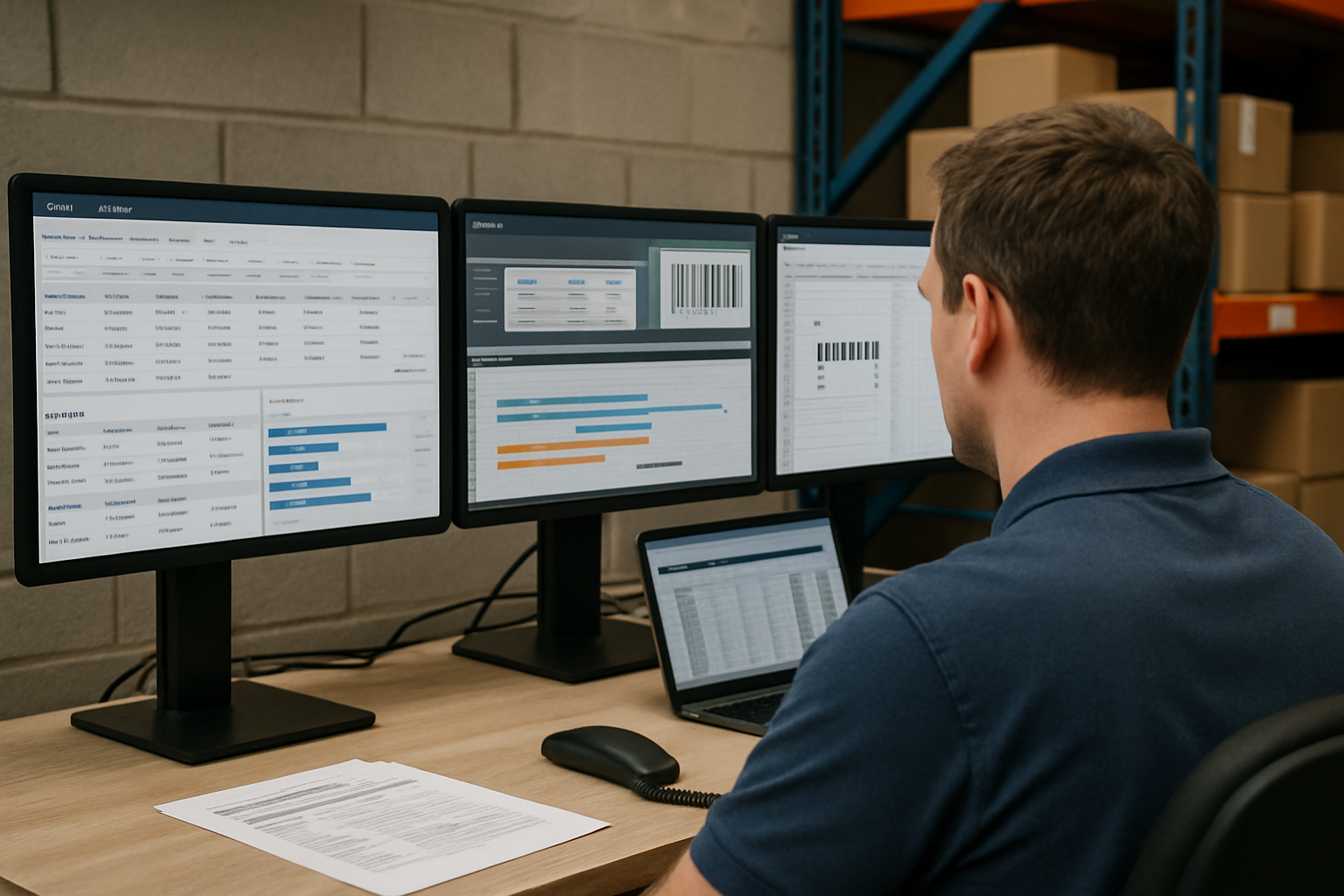
From a customer perspective, nothing was meant to change. From a production perspective, it created a nightmare. A single line producing a high-volume product might be taking jobs from three different “companies” within the group, each with its own order source. Do you batch those items together or keep them separate? If you batch them, which system do you track them in? If one system has barcodes and another doesn’t, how do you scan them consistently? Production staff ended up flipping between dashboards, rekeying data, or worse – abandoning systems entirely and working from spreadsheets.
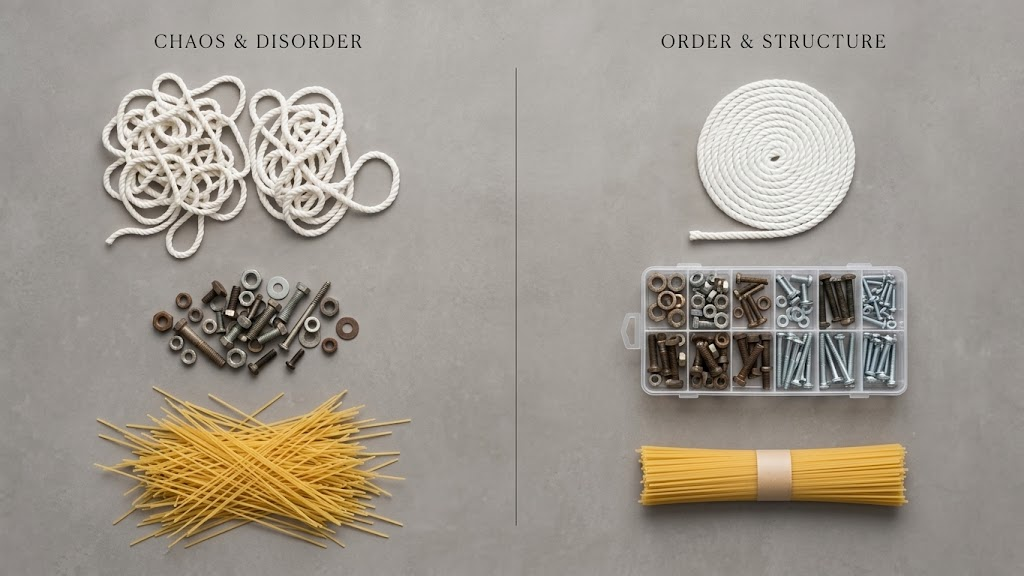
It’s not a sustainable way to run a factory. Every manual handoff adds friction. Every time a job spec is retyped, the chance of an error rises. Every time a production manager has to decide which system is “true,” throughput slows. Instead of scale economies, you get scale inefficiencies – more volume just multiplies the mess.
How the best operators cut through the chaos
The only way to make this work is to unify production while leaving customer-facing systems alone. You don’t need to rip out every storefront or renegotiate every logistics contract on day one – that’s the hard work the commercial team can do later. What matters immediately is giving production one consistent environment where jobs flow in cleanly and operators aren’t forced to juggle half a dozen systems.
In the client I mentioned, unification became the difference between coping and collapsing. Orders still arrived through each legacy storefront. Shipments still went out through multiple logistics partners. But once those orders hit the floor, they looked and behaved the same. Job tickets were standardized. Operators saw one workflow. Jobs could be batched logically, regardless of where they originated.
That single change unlocked economies of scale that had been impossible before. Suddenly batching across order sources wasn’t a headache, it was automatic. Print setups could be optimized for volume instead of fragmented by origin. Staff were trained once on a common system, instead of trying to master three or four. And management finally had real visibility into throughput, spoilage, and SLA risk, without having to collate half a dozen reports or chase numbers through spreadsheets.
This isn’t optional. You can’t expect to scale production across multiple systems that don’t talk to each other. Leaving things fragmented forces operators to improvise, and that improvisation shows up as delays, errors, and lost margin.
Take Stock: Is your factory integrated – or improvised?
Here are five of the most important questions to ask yourself:
- Are all incoming orders funneled into a single production environment, or are your operators still working across multiple unconnected systems?
- Do you have one consistent way of handling artwork, routing, and job status across every source?
- Can you trace a finished item back to its source order and file without hopping between platforms?
- Is production data – spoilage, throughput, delays – visible in real time, or are you stitching it together from spreadsheets and huddles?
- Could you bring a new sales channel or acquisition online tomorrow without adding chaos to the floor?
If you ticked all five, you’re ahead of most. If not, you’re running on improvisation – and it will catch up with you. I’ve built a longer checklist from factories that have solved this exact problem. DM Andrew and he’ll send it across.